
The right pro for this job
Is a cold-climate heat pump worth it in Connecticut
Cold-climate heat pumps are built to keep pulling heat out of the air when Connecticut winters turn single digits, and to handle the sticky summers here too, but whether one earns its keep against your power bill depends on your house and what you're heating with now. This page gets into what actually decides that. Answer it for your place, and a contractor who works on these systems can take it from there.
Connect with a proYes, a cold-climate heat pump holds up in Connecticut, including on the nights that drop into single digits. Older heat pumps lost most of their capacity below freezing and leaned hard on backup electric heat, which is expensive to run. A cold-climate model uses a different compressor design that keeps pulling heat out of outdoor air well below zero, so it carries more of the heating load through January and February instead of handing off to strip heat. In Connecticut, with electricity among the most expensive in the country, that matters: every hour spent on backup heat instead of the heat pump itself shows up on the bill. The same unit cools your house in the humid months without a separate air conditioner. Whether it's worth it comes down to how your house loses heat and what it's paired with. A system sized and installed for your home is what makes the difference between a heat pump that covers winter and one that's straining by December.


What keeps it heating below zero
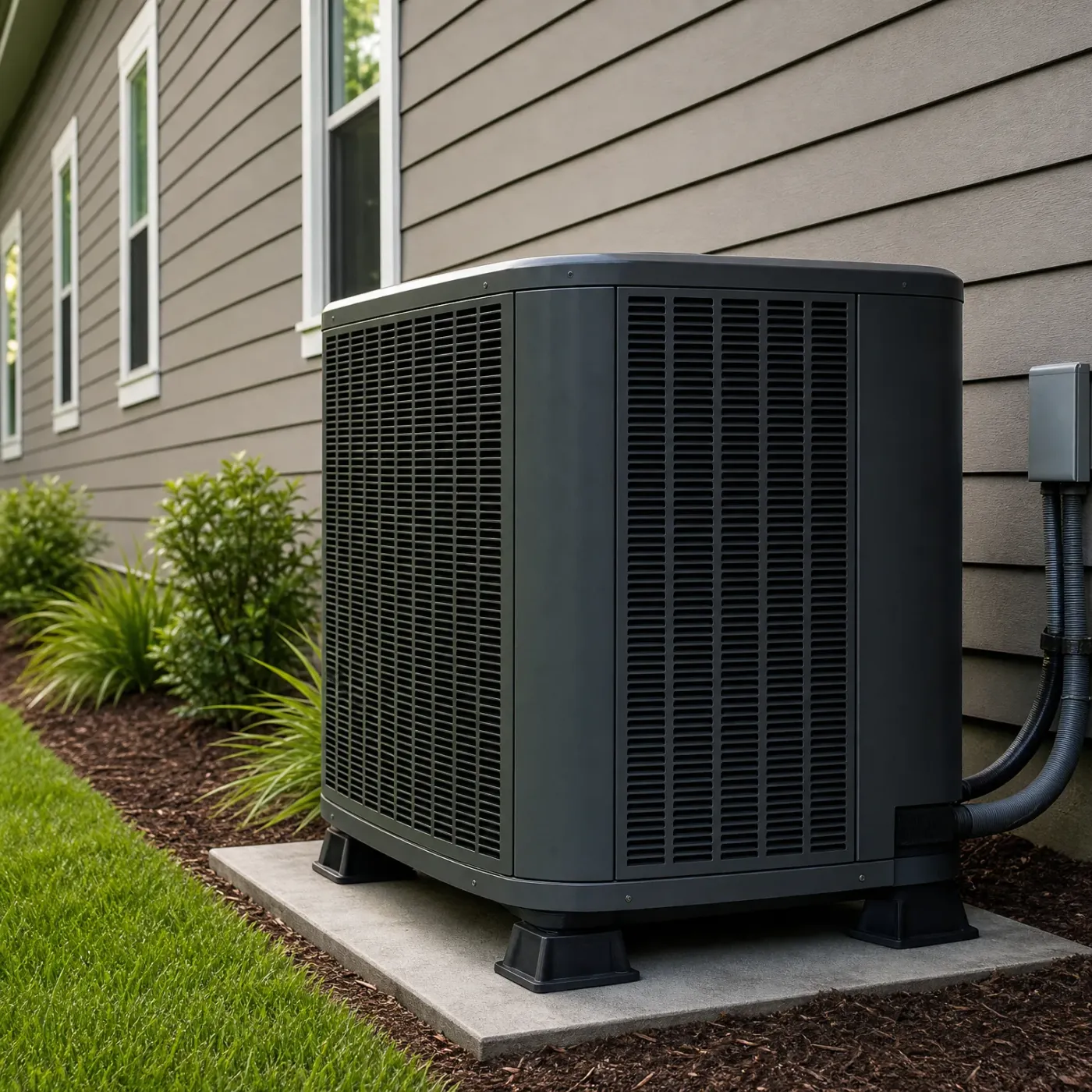
A regular heat pump's capacity drops off fast as the air gets colder, because there's less heat in that air to move. A cold-climate model uses a compressor that can ramp up speed to pull more refrigerant through the system, which makes up for that lost capacity. That's what lets it keep producing heat down into single digits instead of handing the job off to backup electric heat. The backup strip heat in most systems is the expensive part to run, so a unit that leans on it less is doing real work for your power bill, not just your comfort on a cold night.
The same equipment handles your summers
The reversing valve that lets a heat pump heat your home in January is the same part that lets it cool your home in July. There's no separate air conditioner to maintain or replace down the road. On the muggy days Connecticut gets all summer, the unit is also pulling moisture out of the air as it cools, which is part of why a house can feel comfortable at a higher thermostat setting than a window unit would need. One piece of equipment doing both jobs is part of the case for installing one instead of a furnace and a separate AC.




Matched to your heat pump job
Send the form and the search for an installer is over.
A local installer who puts in heat pumps gets your project.
No charge to send it. You decide if you hire them.
How does a cold-climate heat pump keep working when it's below zero outside?
You've seen the specs, maybe read that these units are rated down to negative temperatures, but it still seems like a stretch when the thermometer reads 2 degrees and your house needs heat. It's a fair thing to want explained, not just asserted. You want to know what's actually happening inside the unit when it's that cold out, not just a promise that it works.
A variable-speed compressor and a bigger coil do the work
A cold-climate heat pump uses a variable-speed compressor instead of one that just runs on or off. As the outdoor temperature drops, the compressor speeds up and moves more refrigerant through the system to make up for the thinner heat in that cold air. The outdoor coil is also sized larger than on a standard heat pump, giving the refrigerant more surface area to pull heat from. Together, that lets the unit keep producing heat at outputs that would stall a standard heat pump. It still runs longer on the coldest nights, and output does taper off as the temperature keeps dropping, but it keeps working rather than handing the job to backup electric heat.

Refrigerant absorbs heat from outdoor air even near zero degrees
A variable-speed compressor ramps up to move more refrigerant
An expansion valve adjusts flow to keep pressure matched to demand
The indoor coil releases that heat into air circulating through your ducts



A Connecticut summer feels heavier than the temperature alone lets on. Averaged across June, July and August, the dew point here runs 61°F, and that's the number behind the stickiness, not the high on the thermostat. Your heat pump has to pull moisture out of that air on top of cooling it, which means longer run times and more electricity used just getting the house comfortable. A unit that's sized right and has clean coils and good airflow can keep up with that load without straining. One that's undersized or dirty will run long and still leave the house feeling damp, and you'll see that show up on your power bill.
NASA POWER T2MDEW county cells weighted by homes



A cold-climate heat pump is worth it here
A cold-climate heat pump holds up against what Connecticut does to it, the cold nights and the heavy, sticky summers both. It keeps pulling heat out of winter air that a regular heat pump would give up on, and it pulls the damp out of summer air without running your power bill the way backup heat does. Whether it's worth it for your house comes down to the unit matching what your home needs and the installation being done right, the refrigerant charge, the airflow, the sizing.
That's the part that's hard to check yourself from a spec sheet. If you want to know what size and setup actually fits your house, a contractor who works on these in Connecticut can look at what you have and tell you straight. Send in your information and you're matched with someone who handles this equipment in homes like yours, and they'll reach out to you. You don't have to track that down on your own.


A heat pump pro near you
Send the form and stop researching installers for the new heat pump.